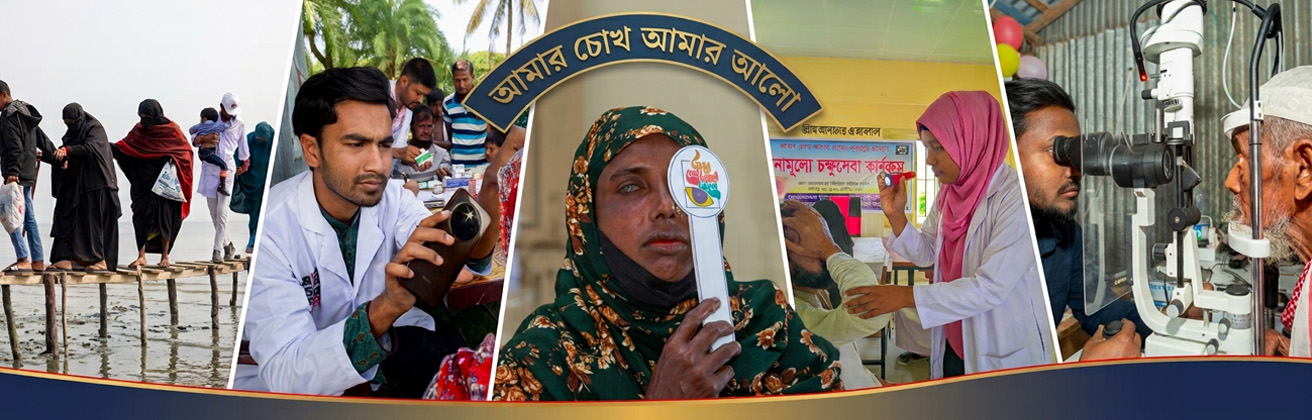


Together, Beyond Borders, Toward A World Without Blindness
.png)
0
Total Guests Served
0
Total Reading Glass Provided
0
Total Cataract Operated
0
Total Major Disease Detected
Our Mission
Amar Chokh Amar Alo (ACA2) is a community-led, AI-assisted network of low-cost eye clinics built with Data Yakka’s digital ophthalmology technology.
These clinics bring sight-saving care to some of the most remote coastal communities in Bangladesh, places with no doctors, no clinics, and, in some cases, no electricity.
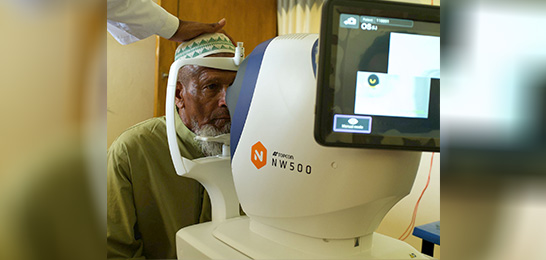
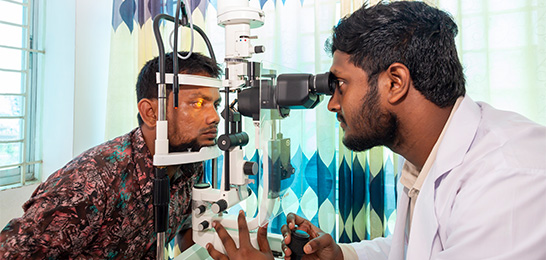
In ACA2 clinics, every person is seen with care and dignity. From the moment they arrive, they receive health check-ups, vision tests, and, when needed, advanced retinal imaging.
AI analyses the images instantly. Urgent cases are reviewed in real time by specialists thousands of miles away.
Every step is recorded in a paperless, web-based platform that manages patient flow, follow-ups, and referrals from islands to regional tertiary hospitals.
Hasib Rahman
VP, Data and Artificial Intelligence
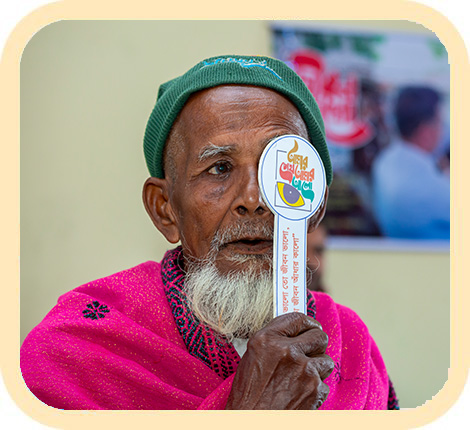
Who We Are
We’re a small team of AI engineers, clinical innovators, and community-mobilisation architects.
We build practical, clinically robust, low-cost, AI-enabled eye-care platforms for remote and isolated regions with zero infrastructure.
We work closely with Stanford University’s Dr. Randall Stafford and Dr. Robert Chang, along with Prof. Pearse Keane of Moorfields Eye Hospital and UCL, globally recognised pioneers in public health, digital ophthalmology, and AI-driven eye-disease diagnosis.

Dr. Randall S. Stafford, MD, PhD
Professor of Medicine, Stanford School of Medicine
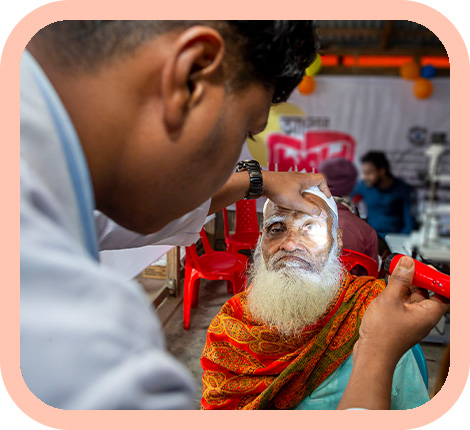
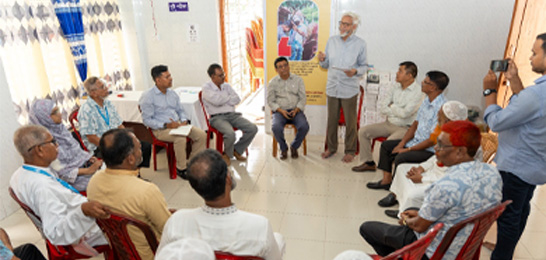
ACA2 Eye-Care Centres and Mobile Camps
See our ongoing centers and join us on the event
Our Services
At ACA2, we focus on curing and treating a wide range of vision impairments, ensuring that individuals regain their sight and quality of life.
01
Basic Eye Treatment
We provide accessible eye-care services for common eye conditions and vision concerns, including assessment, treatment, and follow-up care. To date, we have provided basic eye treatment to 48,067 patients.
02
Remote Specialist Review
We connect patients with eye specialists through remote consultation, enabling timely review and expert guidance even in areas where specialist services are limited. This helps support accurate assessment, treatment planning, and appropriate referral when required.
03
Ctitical Disease Detection
We provide screening, assessment, and treatment support for critical diseases to help protect vision and prevent further complications. Our eye-care teams support patients through timely diagnosis, referral, treatment, and follow-up care. To date, we have screened 2808 critical diseases patients.
02
AI-Assisted Detection for DR
Our AI-assisted system analyzes retinal fundus images to help identify signs of diabetic retinopathy (DR). It supports faster screening and timely referral, helping eye-care teams prioritize patients who may require further specialist evaluation.
05
Emergency Patient Care
We provide timely support for patients with urgent and vision-threatening eye conditions. When specialized care is needed, we arrange transport to the district or tertiary hospital at our own expense, accompanied by a trained health worker to support the patient throughout the referral journey.
06
Cataract Surgery
Cataract surgery is a safe and effective procedure to restore clear vision affected by cataracts. Our in-house and partner eye-care teams provide comprehensive evaluation, surgical care, and post-operative follow-up. With a patient-centered approach, we support every step of the treatment journey. To date, we have successfully performed cataract surgery for 1,272 patients.


Our Centres Are Local But Our Impacts Are Global
Through our initiatives, Stop Blindness has restored sight to thousands of individuals across remote and coastal communities.

Total Patients Served
48278

Percentage of Male Patients
40.87%

Percentage of Female Patients